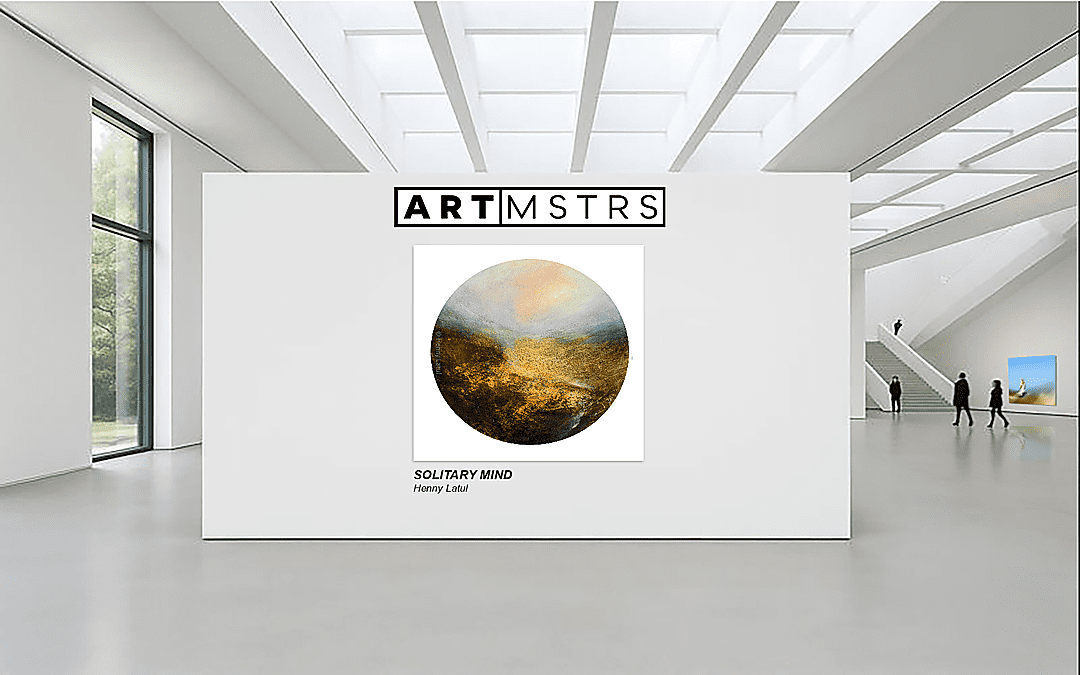
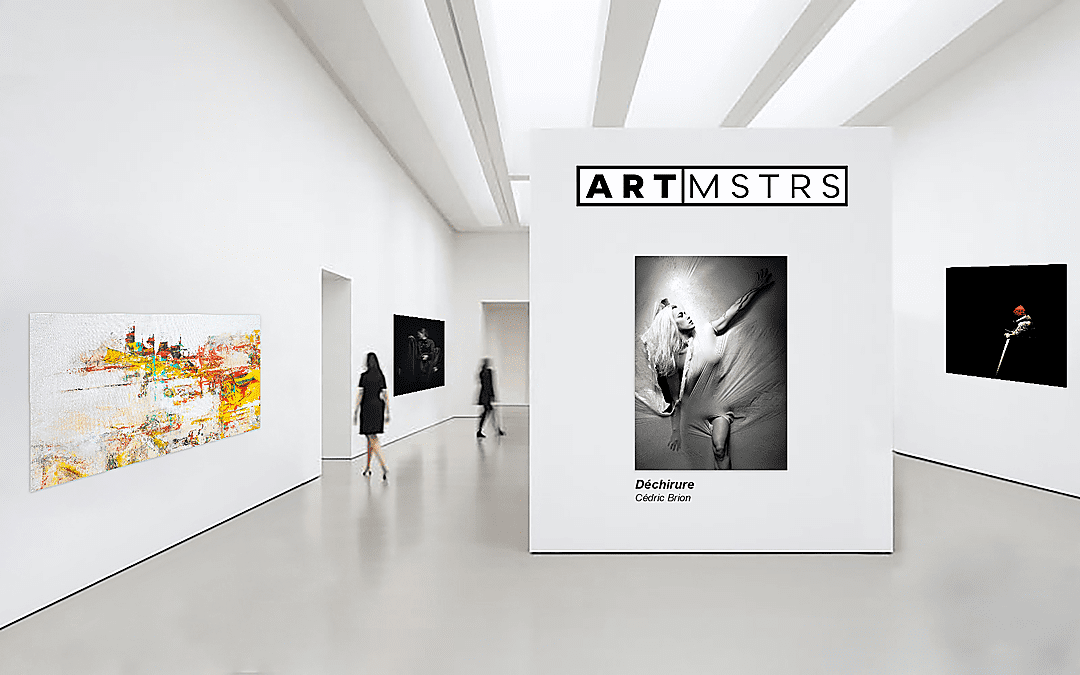
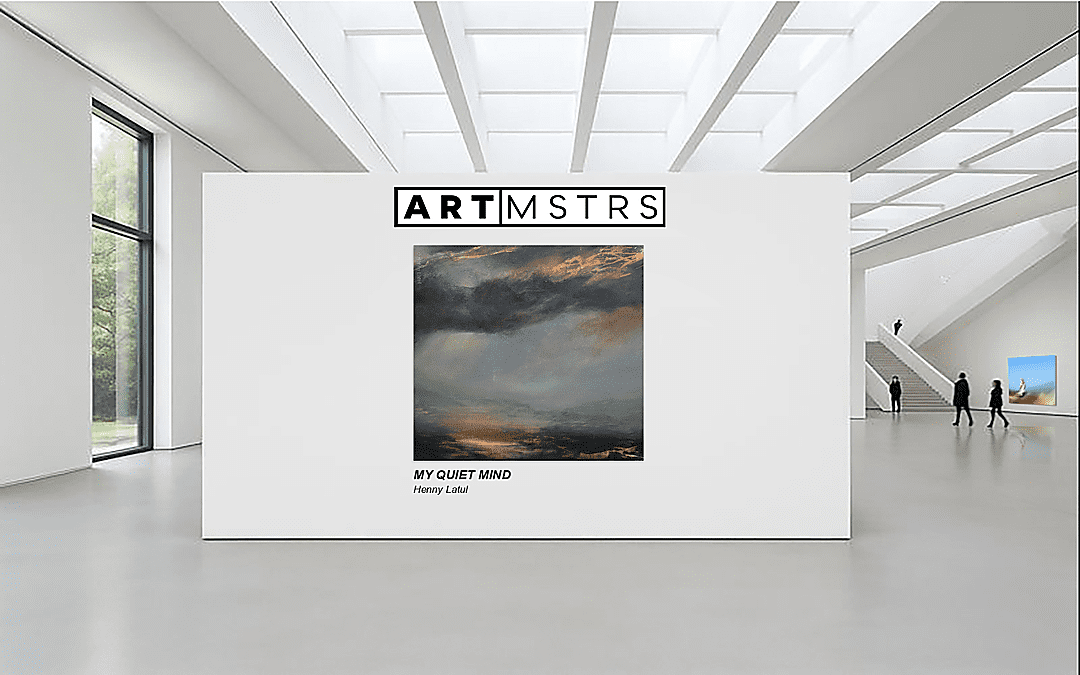
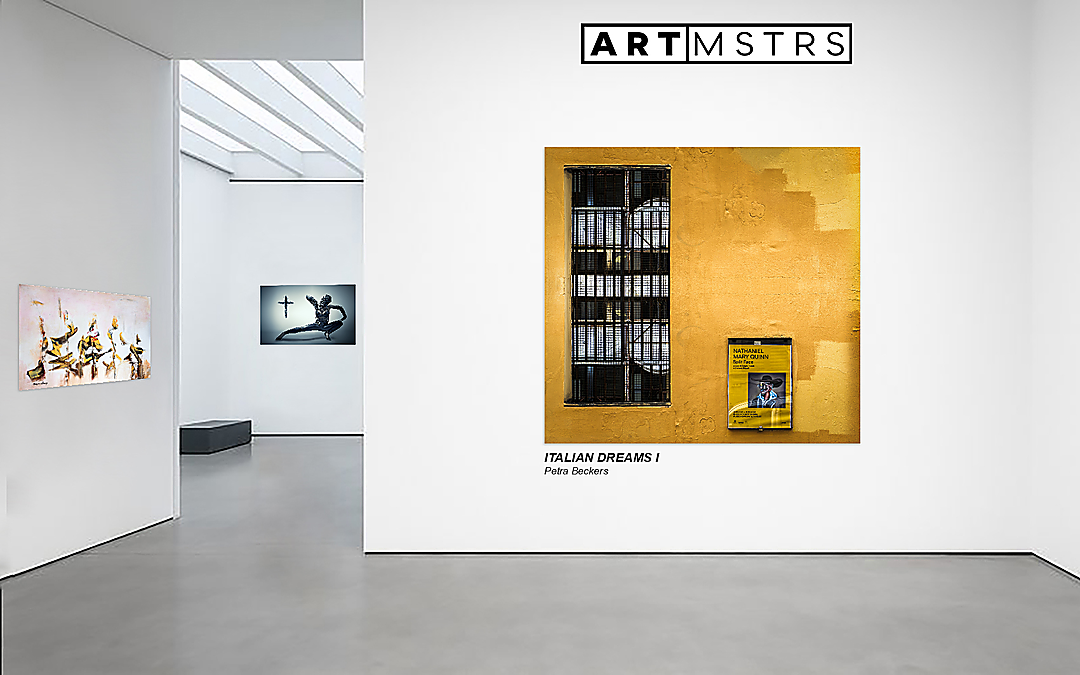
As a visual artist, one of the recurring challenges you’ll face is the question of originality. Whether it comes from galleries, collectors, or peers, hearing “Is this original?” can feel disheartening or even accusatory. It’s an essential concern that goes beyond ego — originality is tied to your artistic identity and professional reputation. So how do you navigate this question without defensiveness, while strengthening both your craft and your credibility? This article offers a practical, grounded approach to understanding and communicating originality in your work.
Originality in art is often misunderstood as creating something entirely unseen or unprecedented. In reality, every artist builds on influences, traditions, and techniques that have existed before. Originality is about how you synthesize, interpret, and present those elements through your unique sensibility. This nuance is crucial, especially when you face scripts or standard questions challenging your authenticity.
Collectors and art professionals seek assurance that your work is not merely derivative or simply following trends. They want to be confident that your art reflects your personal voice and adds something meaningful to the cultural conversation. This makes your response to “Is this original?” an opportunity rather than just a hurdle.
How to Prepare Your ‘Originality Script’
Developing a clear, calm, and authentic way to address originality can boost your confidence and control the narrative around your work. Here are key steps to crafting your script:
Articulate Your Influences: Openly acknowledge your sources of inspiration. This shows respect for your artistic lineage and frames originality as evolution, not isolation.
Highlight Your Unique Perspective: Explain what you bring that’s distinct — whether it’s your technique, concept, or emotional lens.
Describe Your Process: Share how your creative methods contribute to making your work uniquely yours. This might include experimentation, materials, or problem-solving approaches.
Express Your Intent: Convey what you aim to communicate or evoke through your art, tying it back to your personal or cultural context.
Stay Composed and Open: Avoid defensiveness. Recognize that questions about originality come from genuine curiosity or a desire to understand your art’s place.
Practical Tips for Communicating Originality
When you respond to “Is this original?” consider these practical communication strategies:
Use Stories: People remember narratives better than abstract statements. Share the story behind the piece or a breakthrough moment in your work.
Keep It Simple: Use clear, straightforward language rather than jargon or vague claims.
Show, Don’t Just Tell: When possible, connect viewers to sketches, prototypes, or earlier stages to illustrate your creative journey.
Be Honest: If your work consciously builds on established forms, acknowledge that. Originality thrives when honesty prevails.
A Quick Originality Audit for Your Artwork
Use this mini checklist to evaluate how well your work conveys originality and how prepared you are to discuss it:
Have I clearly identified the influences that shape this piece?
Can I articulate what makes my treatment or interpretation unique?
Is my creative process documented in a way that reveals originality?
Do I have a concise explanation of the intentions or messages behind this work?
Am I comfortable and composed discussing my work’s origins and significance?
If any of these points are weak, take time to reflect, journal, or discuss with trusted peers or mentors. Refining your understanding and verbal fluency about your work’s originality is an ongoing process.
How Platforms Like ARTMSTRS Can Help
Building visibility and credibility with collectors often means going beyond the art itself to how you present your work professionally. Platforms like ARTMSTRS provide curated spaces where artists can showcase their work alongside contextual information, including artist statements, influences, and creative process insights.
By using a platform that emphasizes thoughtful representation, you create a bridge of understanding with collectors who value originality and depth — without needing to be pushy or over-explain during casual encounters. It also helps you stay organized and intentional about your artistic narrative, which is vital when questions about originality arise.
Final Thoughts
“Is this original?” is more than just a challenging question — it’s an invitation to reflect and communicate what makes your art genuinely yours. By preparing thoughtful scripts and deepening your connection to your artistic identity, you enhance both your creative journey and professional opportunities. Remember, originality isn’t a static badge; it’s a dynamic dialogue you cultivate through clarity, honesty, and presence in your work and outreach.
Ready to grow your art career?
Discover how ARTMSTRS supports artists who focus on professional visibility and long-term growth.
How to Use Alt Text Thinking in Your Captions and Descriptions
As a visual artist, you know how crucial it is for your work to be seen and understood. Yet, crafting captions and descriptions that truly convey your art’s essence while reaching the right audience is often a challenge. Many artists struggle to balance being descriptive and engaging without sounding pushy or overly technical. One often overlooked but effective approach is to apply “alt text thinking” in your writing. This mindset can make your captions and descriptions clearer, more accessible, and more discoverable to collectors—all without gimmicks or hype.
What is Alt Text Thinking, and Why Does It Matter?
Alt text, or alternative text, is usually used to describe images for people who use screen readers or when an image fails to load. It requires a clear, concise verbal description that communicates the visual information accurately and accessibly.
When you adopt alt text thinking for your captions and descriptions, you prioritize clarity and precise visualization in the reader’s mind. This practice not only supports accessibility but helps collectors—many encountering your work online for the first time—understand your art beyond the immediate image.
Especially on curated platforms like ARTMSTRS, where collector engagement thrives on confidence, well-crafted descriptions enhance your professional visibility without the need for pushy sales language.
How to Incorporate Alt Text Thinking in Your Captions and Descriptions
Start by imagining you are describing your artwork to someone who can’t see it. What are the essential visual elements they need to understand? What emotions or concepts do these visuals evoke? Your goal is a balance of factual description and subtle storytelling.
Practical Tips for Writing With Alt Text Thinking
Be specific: Mention colors, composition, subjects, and textures. Instead of “a painting of flowers,” say “a close-up of bright red tulips with dew drops on velvety petals.”
Focus on essentials: Avoid overly detailed technical jargon that can confuse. Highlight what makes the piece unique or expressive.
Contextualize mood and theme: Briefly hint at the setting, emotion, or story behind the work to engage interest without overselling.
Keep it concise: Aim for 1–3 clear sentences that capture the artwork’s core visual and conceptual identity.
Use active, present tense language: This keeps descriptions vivid and immediate.
Examples of Alt Text Thinking Applied
Instead of: “Abstract painting.”
Try: “Sweeping strokes of indigo and burnt orange intersect over a textured canvas, evoking the chaos of a storm at dusk.”
Instead of: “Landscape with mountains.”
Try: “A misty mountain range fades into the soft glow of early morning light, with pine trees lining the rugged slopes.”
Quick Audit: Evaluate Your Current Captions and Descriptions
Do your captions clearly convey what’s visually present without assuming the viewer has prior knowledge?
Are you balancing the descriptive with a subtle narrative or emotional touch?
Is the language simple, vivid, and accessible, free of confusing jargon?
Does your description highlight what makes the artwork unique?
Have you checked how your descriptions appear on multiple devices or platforms for clarity?
If you find gaps, revise your captions by applying the alt text thinking approach—imagine describing your art to a wide-ranging audience, including those with limited context or visual ability.
Advantages Beyond Accessibility
Using alt text thinking to craft your artwork captions provides benefits beyond inclusivity. It structures your descriptions in a way that search engines can index more effectively, increasing your art’s discoverability online. Collectors browsing digital platforms often rely on insightful texts to decide whether a piece resonates with them; clear, informative captions can be the subtle nudge they need to explore more.
Furthermore, this practice cultivates an aura of professionalism and thoughtfulness, qualities that collectors value. It signals that you care about communicating your vision clearly and respectfully—an important foundation for building long-term relationships with your audience.
How ARTMSTRS Supports Better Captions and Collector Reach
Platforms like ARTMSTRS curate artists who not only create beautiful work but also present it professionally. Beyond simply hosting your portfolio, ARTMSTRS encourages meaningful descriptions and provides tools for reaching collectors focused on authentic engagement and support. Incorporating alt text thinking into your captions fits perfectly within this curated approach, helping build a sustainable art career by improving how collectors perceive and find your work.
Final Thoughts
Alone, a stunning image captures attention. But a well-crafted caption or description keeps it, offering depth and clarity that strengthen collector connections. By applying alt text thinking—clear, concise, and vivid description—you improve both accessibility and visibility without jargon or pressure. This thoughtful, grounded approach can enhance every aspect of your artistic presentation and open doors to new opportunities.
Want more collector visibility?
A curated presence can help collectors discover your work with confidence.
How to Include Care Instructions Without Being Too Much
As an artist, you pour time and heart into each piece, dreaming of it finding a home where it’s appreciated and preserved. Yet, sharing care instructions alongside your art can feel like a delicate balancing act. Too little information risks collectors damaging your work; too much can overwhelm or even deter them. Striking the right tone in care guidance is key to nurturing a sustainable art career and building trust with your audience without sounding overly technical or preachy.
Why Care Instructions Matter for Artists
Every medium—from oils and acrylics to mixed media and pastels—has unique vulnerabilities. Proper care ensures your artwork ages gracefully, preserving its aesthetic and value for collectors. It’s part of your professional responsibility and contributes to your reputation as a thoughtful and detail-oriented artist.
Yet, many artists shy away from including care details because they fear it dilutes the creative narrative or adds an unsolicited layer that collectors might not appreciate. In reality, thoughtful, well-placed care instructions add value and demonstrate your expertise—without overwhelming the buyer.
Keep It Simple and Relevant
When deciding what to include, focus on the essentials that your buyers truly need to know. Avoid jargon or lengthy paragraphs. The goal is to empower collectors, not to create a detailed manual.
Prioritize the key risks. Is your piece sensitive to sunlight, humidity, or physical contact? Highlight the most important factors.
Use plain language. Instead of “Avoid oxydization and UV exposure,” say “Keep out of direct sunlight to prevent fading.”
Be medium-specific. Tailor instructions to the exact materials used, as care for acrylic differs from that for watercolor or ceramics.
Include quick tips. For example, “Dust lightly with a soft, dry cloth” or “Avoid hanging in kitchens or bathrooms.”
Offer additional resources discreetly. Provide a link or QR code for an online care guide, if collectors want more in-depth information.
Where to Place Instructions for Maximum Impact
Presentation matters as much as content. Where and how you provide care instructions influences how they’re received:
On the back of the artwork. A small, neat label with key points keeps information close but discreet.
In the framing or packaging. Include a simple card or brochure with the purchase.
Within artist statements or gallery notes. Briefly mention maintenance as part of your professional storytelling.
Online listings. In your portfolio or sales platforms like ARTMSTRS, include concise care notes in the description section.
Balancing Transparency and Professionalism
Be transparent about the nature of your materials and their care without sounding apologetic. This builds collector trust and sets realistic expectations, which is critical for long-term relationships and referrals.
For example, instead of “This pastel work is fragile,” frame it as “Pastel works benefit from protective framing with glass to maintain their vibrancy.” This way, you acknowledge material care without discouraging interest.
Quick Audit: Your Care Instruction Checklist
Are your care instructions concise and free of complicated language?
Do they highlight the main risks relevant to your medium?
Have you chosen discreet but accessible locations for the instructions?
Is the tone friendly and professional, not overly technical or apologetic?
Are you providing additional resources or contact info for questions?
Do your care instructions align with your overall artist branding and storytelling?
Final Thoughts
Including care instructions thoughtfully and modestly can enhance your professionalism and deepen collector trust. It shows you care about the longevity of your work, which collectors appreciate as they invest in art that will adorn their spaces for years to come.
For artists looking to improve visibility and connect authentically with collectors, platforms like ARTMSTRS offer curated support, spotlighting your work for the right audience while complementing your professional presentation — including important details like care guidance.
Ready to grow your art career?
Discover how ARTMSTRS supports artists who focus on professional visibility and long-term growth.
Mastering Color Mixing: A Guide for Painters to Get Vibrant Results
One of the most frustrating challenges painters face—whether just starting out or deeply experienced—is achieving truly vibrant colors on the canvas. You know the feeling: mixing what seems like the perfect hue only to see it turn dull or muddy when applied. Color mixing is both a science and an art, requiring careful observation, practice, and a few technical insights. Mastering it can not only elevate your artwork but also enhance your professional visibility by showcasing a sophisticated understanding of your medium.
Understanding the Basics of Color Mixing
Before diving into tips and techniques, it’s essential to grasp the foundations of color mixing. Most painters use a limited palette to combine primary colors—red, blue, and yellow—to create secondary and tertiary shades. However, the way these colors interact depends greatly on their pigment properties and the medium used.
Know Your Primary Colors: Use high-quality primary pigments. For example, ultramarine blue mixes differently than phthalo blue. Knowing the characteristics of your pigments prevents unexpected results.
Subtracting vs. Adding Light: Unlike digital screens that use additive color mixing, pigments mix subtractively. This means mixing all primaries tends to lead toward brown or gray, not white.
Transparency Matters: Transparent pigments layer differently than opaque ones, affecting vibrancy and depth.
Steps to Achieve Vibrant Color Mixing
Precision and patience go hand in hand when mixing vibrancy. Here’s a practical approach to honing your mixing skill:
Start with a Basic Palette: Limit your initial palette to three primaries plus white, avoiding blacks or grays that dull mixtures prematurely.
Mix Small Quantities: Begin with small amounts to test combinations before committing to larger mixtures on your palette.
Keep a Color Mixing Journal: Document pigment combinations, ratios, and results. Over time, this guide becomes your personal mixing bible.
Experiment with Complementary Colors: Adding a touch of a complementary color can deepen or brighten hues without dullness.
Pay Attention to Mediums: Different painting mediums (oil, acrylic, watercolor) affect pigment performance and drying times.
Practical Tips: Elevate Your Mixing Game
Use a palette knife instead of brushes to mix pigments thoroughly.
Clean your palette regularly—residual pigments can contaminate new mixes.
Test your mixes on paper or canvas scraps before application.
Learn to distinguish between color temperature—warm vs. cool tones can dramatically impact vibrancy.
Layer thin washes rather than thick mixed colors to maintain luminosity.
Quick Color Mixing Audit: Are Your Colors Truly Vibrant?
Regularly evaluate your mixing practices by asking yourself:
Are my primary pigments fresh and high quality?
Do I avoid over-mixing, which can neutralize colors?
Am I aware of how adding white or black impacts vibrancy?
Do I test new combinations systematically?
Am I considering the different effects of my painting medium?
If you find gaps in these areas, you’re likely losing vibrancy somewhere in the process.
Enhancing Your Artistic Career Through Color Mastery
Beyond technical skill, mastering color mixing influences how collectors and galleries perceive your professionalism and craft. Vibrant, well-mixed colors demonstrate an artist’s command over their materials and attention to detail—qualities highly valued in the art world. By continuously refining your mixing techniques, you build a body of work that stands out both visually and conceptually.
Additionally, platforms like ARTMSTRS offer opportunities for painters to showcase their vibrant portfolios to a curated audience of collectors. This professional visibility can lead to meaningful connections without the need for aggressive self-promotion, letting your work speak for itself.
In Summary
Mastering vibrant color mixing is an attainable goal for painters willing to invest time in learning pigment properties, maintaining a disciplined mixing routine, and practicing layered applications. Approach your palette as both a laboratory and a playground—methodical yet open to experimentation. This balance will not only improve your paintings but support your long-term growth as a professional artist.
Ready to grow your art career?
Discover how ARTMSTRS supports artists who focus on professional visibility and long-term growth.
If you’re an artist struggling to find a dedicated space to create, you’re not alone. Many artists, whether just starting out or well-established, face the challenge of setting up a functional and inspiring workspace without draining their finances. Finding the right balance between affordability and practicality is essential—not only for your craft but also to support a sustainable art career. This article offers clear, actionable steps to build your home art studio efficiently and thoughtfully.
Identify Your Space: Small Does Not Mean Limiting
The biggest misconception about a home studio is that it needs to be a large, separate room. In reality, a successful studio can be as compact as a corner of a room or a nook by a window. What matters is that the space meets a few core criteria:
Good natural or adjustable light, tailored to your medium
Ventilation if you use paints, solvents, or other materials with fumes
Easy access to power outlets and robust storage options
A surface or easel that fits your most frequent working format
Keep in mind that your studio should be a place where you can work consistently without feeling cramped or distracted. Start by assessing what space you already have and plan from there.
Prioritize Essential Tools and Furniture
It’s tempting to want every possible tool or to replicate a professional studio setup, but this can quickly become expensive and overwhelming. Instead, focus on essentials that directly support your art practice. Practicality over perfection is critical at this stage.
Here’s a short checklist of basics every art studio needs, adaptable according to your medium and style:
Work surface (table or desk) or easel
Comfortable, ergonomic seating
Adequate lighting—consider a daylight bulb combined with adjustable task lights
Storage: shelves, bins, or drawers for supplies and finished works
Protective coverings such as drop cloths or easily washable mats
Reuse and refurbish when possible—secondhand furniture, repurposed household items, and DIY storage solutions can save significant costs without sacrificing functionality.
Organize for Efficiency and Creativity
Art making can be hindered by clutter or chaos. A well-organized studio keeps your tools in reach and your mind clear. Here are practical tips to streamline your creative space:
Designate zones for different activities—drawing, painting, drying, or storage
Use jars, trays, or cups to separate brushes, pencils, and small tools
Label containers and drawers so finding materials is quick and effortless
Keep an inspirational board or sketchbook nearby to brainstorm and track ideas
A tidy, thoughtfully arranged workspace encourages a focused workflow and supports productive habit building.
Make Lighting Your Ally
Light quality has a profound impact on how you perceive colors and details. For most visual artists, natural daylight is preferred. Position your workspace near a window that receives consistent natural light, ideally from the north or south, which offers steady illumination.
If natural light is limited, invest in daylight-balanced bulbs (5000–6500K) that closely mimic sunlight. Adjustable lamps help direct light onto your work without casting harsh shadows.
Sourcing Materials Without Breaking the Bank
Art materials can be a significant upfront investment. Here are strategies to keep your budget in check:
Buy in bulk or from discount suppliers for frequently used items
Share or swap tools with other local artists
Use basic, versatile materials initially before investing in specialized equipment
Check community sales, thrift stores, or online marketplaces for gently used supplies
Test new materials in small quantities before committing to large purchases
Quick Home Studio Audit: Is Your Space Working for You?
Does your workspace inspire creativity without distractions?
Is your art-making area intuitively organized?
Do you have enough light to work comfortably throughout the day?
Are your essential tools and materials accessible and reliable?
Is your space flexible enough to grow with your practice?
If you answered “no” to any of these, consider small modifications rather than overhauls. Over time, your studio will become a reflection of your work style and needs.
Supporting Your Art Career Beyond the Studio
Having a practical home studio is just one part of nurturing your artistic development and visibility. Building a sustainable career involves showcasing your work thoughtfully and maintaining professional networks.
Platforms like ARTMSTRS offer curated exposure to collectors and art professionals, helping you gain visibility without the pressure of aggressive self-promotion. Presenting your work in a professional setting, combined with a consistent creative practice in your home studio, can strengthen your artistic reputation over time.
Final Thoughts
Setting up your home art studio on a budget requires patience and planning. By focusing on essential elements, organizing effectively, and making smart material choices, you can create an environment that supports your growth as an artist. Remember, your studio is a workspace meant to serve your creative process, not overwhelm it.
Build a stronger online art presence
Small, consistent improvements can compound into real career momentum.
Getting Accepted: How to Prepare a Strong ARTMSTRS Artist Application
One of the most frustrating experiences for any visual artist—whether just starting out or established—is submitting work for consideration on a respected platform only to be met with silence or rejection. It’s not just about having talent; it’s about presenting your art and your career thoughtfully to resonate with curators and collectors alike. ARTMSTRS is a curated platform designed to bridge the gap between artists and collectors, but gaining acceptance requires more than simply uploading images. Building a strong application is a deliberate process that reflects your professionalism, artistic focus, and growth potential.
Understand What Curators Look For
Curated platforms like ARTMSTRS prioritize artists who demonstrate commitment, clear vision, and a consistent body of work. They look beyond technical skill to understand your creative voice, career ambitions, and market readiness. The goal is to feature artists whose work can engage collectors in a meaningful way, ensuring visibility leads to sustainable career growth.
Before starting your application, reflect on these questions:
Do you have a cohesive portfolio illustrating a clear artistic direction?
Is your professional presentation polished and free of distractions?
Are you prepared to engage with collectors and provide insights about your art?
Curate Your Portfolio Thoughtfully
Your portfolio is the centerpiece of your application. Rather than showcasing every piece you’ve created, choose around 10–15 works that best represent your style, technique, and thematic concerns. The selection should convey depth and consistency.
When preparing images for your portfolio:
Use high-quality photos with accurate colors and sharp details.
Display your work in a clear, neutral setting—avoid cluttered or overly stylized photos.
Include a variety of works if your practice covers multiple subjects or media, but ensure the collection feels unified.
Remember, ARTMSTRS supports artists looking to build meaningful connections with collectors, so each image should help narrate your artistic journey and invite curiosity.
Craft a Direct and Honest Artist Statement
Your artist statement extends beyond description; it’s an opportunity to communicate your intentions, influences, and the narrative behind your work. Aim for clarity and conciseness—avoid jargon and keep the tone authentic. Explain what drives your creative process and what you hope to achieve through your art.
Consider including elements such as:
Your primary themes or concepts
Materials and techniques you use and why
The evolution of your work or what’s inspired recent changes
Your connection to the broader art community or specific traditions
Present Your Career Progression Professionally
Alongside your portfolio and statement, include information on your artistic milestones. This helps curators and collectors understand where you stand in your career and the trajectory you are pursuing.
Relevant highlights might include:
Exhibitions (gallery, juried shows, open studios)
Awards, recognitions, or residencies
Press mentions, publications, or interviews
Education or training relevant to your art practice
Keep this section factual and concise. Accuracy is key—avoid overstatements, as authenticity builds trust.
Quick Application Audit: Is Your Submission Ready?
Portfolio Cohesion: Does your submission present a clear artistic identity?
Image Quality: Are your images professional, well-lit, and in focus?
Artist Statement: Is your narrative clear, purposeful, and reflective of your work?
Career Details: Have you included your most relevant experiences without overselling?
Presentation: Have you reviewed your application to eliminate typos, formatting inconsistencies, or broken links?
If you find gaps in any of these areas, take time to refine them before submitting. A careful and honest application increases your chances of acceptance and sets a solid foundation for how you’ll appear to collectors.
Additional Practical Tips for a Strong Submission
Tailor your application: Align your materials with the platform’s mission and audience. ARTMSTRS values professionalism and long-term growth.
Be patient and persistent: Rejection isn’t a reflection of your worth, but a call to keep honing your approach.
Ask for external feedback: Whether from trusted peers, mentors, or advisors, fresh eyes can spot weaknesses you may overlook.
Keep your online presence updated: Many curators check social media or personal websites as part of evaluation.
Prepare for post-acceptance engagement: Visibility is just the beginning—be ready to talk about your work thoughtfully and promptly.
Why Consider ARTMSTRS?
ARTMSTRS offers artists a curated space where professional visibility and collector reach are carefully nurtured. Their focus on supporting sustainable careers aligns with artists dedicated to consistent artistic development rather than chasing quick trends. Applying thoughtfully to ARTMSTRS means gaining access to a network that values both the integrity of your work and practical career momentum.
Ready to grow your art career?
Discover how ARTMSTRS supports artists who focus on professional visibility and long-term growth.
How to Price Your Artwork: A Step-by-Step Guide for New Artists
One of the most common challenges new visual artists face is setting a price for their work that feels fair both to themselves and potential buyers. Getting pricing wrong can mean undervaluing your time and skill, or worse, alienating collectors by being too expensive without a clear rationale. Striking a balance requires clarity, research, and a straightforward system. If you’re ready to move beyond guesswork and start pricing your art with confidence, this guide is for you.
Why Pricing Your Artwork Matters
Pricing is about more than just numbers. It’s a reflection of your skills, your time, and your place in the art market. Thoughtful pricing:
Builds collector trust by showing professionalism.
Ensures your work is sustainable as a business.
Supports your growth by aligning price with demand and development.
Failing to price strategically can cause frustration, stagnation, or missed opportunities to connect with collectors who value your distinct vision.
Step 1: Calculate Your Base Costs
Start with a clear picture of what it costs you to make your art. Your base costs typically include:
Materials: Paint, canvas, paper, tools, framing.
Studio expenses: Rent, utilities, workspace.
Time: Decide on a fair hourly rate for your labor.
For the time element, track how long a piece generally takes you. Multiply your hourly rate by hours spent, then add your material and studio costs. This gives a minimum floor for your price. You should never sell below these costs in the long run.
Step 2: Research Comparable Artists and Markets
Once you understand your costs, turn your attention outward. Look at artists with similar experience, style, and medium. Where are they priced? You can use gallery websites, artist platforms like ARTMSTRS, and online marketplaces to gather this data.
Important points to consider:
Are you pricing similarly sized works similarly?
How do prices vary by materials or complexity?
Who is buying from these artists—local collectors, corporate clients, international buyers?
This external validation helps you position yourself realistically in the market without undervaluing your work.
Step 3: Factor in Your Experience and Reputation
Pricing is not static—it changes as you gain exposure and credibility. New artists should be honest about their level but not undervalue their creative voice. If you’ve exhibited, sold work, or received press or awards, these should gradually be reflected in your prices.
Consider these guiding questions:
Have you had multiple solo or group exhibitions?
Is there demand or waiting lists for your work?
Are you receiving consistent inquiries or commissions?
Pricing too low can unintentionally communicate “beginner,” while too high without proof of track record can deter buyers. Track your milestones and review your pricing regularly.
Step 4: Structure Your Pricing Clearly
Art collectors appreciate transparency. Organize your pricing in a way that clients can understand easily, for example:
Price per size (e.g., $X per square inch or cm)
Different tiers for mediums or techniques
Options for framing, packaging, or shipping costs
This clarity makes it easier for galleries, collectors, and online platforms to present your work professionally.
Quick Pricing Audit for Your Artwork
Have you calculated all your costs including time?
Have you compared your prices with at least 5 artists in your niche?
Does your price reflect your career stage and credentials?
Is your pricing method transparent and easy to explain?
Do you review and adjust prices regularly based on feedback and sales?
Step 5: Consider the Value Beyond Price
Pricing is also about perceived value, which includes more than the piece itself. Factors like your story, your process, and your connection to the work add intangible worth. Sharing this narrative—whether through your portfolio, artist statements, or social media—helps collectors understand why your work matters.
Platforms like ARTMSTRS can assist by providing curated visibility and helping you reach collectors who appreciate professional, authentic artwork without feeling overwhelmed by selling pressures.
Final Tips for Pricing Your Art
Be consistent: Avoid random discounts or fluctuating prices that confuse clients.
Start low, raise steadily: It’s okay to price modestly early on, but plan gradual increases as you grow.
Keep detailed records: Track your sales, costs, and inquiries to inform future pricing decisions.
Test and learn: Ask trusted peers or mentors for feedback and be open to revisions.
Stay patient: Building a sustainable pricing model takes time.
Pricing your artwork might feel daunting at first, but by grounding your decisions in clear data and honest self-assessment, you lay the foundation for a sustainable and fulfilling art career.
Ready to grow your art career?
Discover how ARTMSTRS supports artists who focus on professional visibility and long-term growth.
Why Consistent Online Visibility Matters More Than Going Viral Once
In today’s digital landscape, being an artist requires more than just talent; it demands visibility. Many aspiring artists dream of achieving viral fame—but what happens after that brief moment in the spotlight? It’s crucial to understand that consistent online visibility is far more valuable for long-term success than a single viral outbreak. At ARTMSTRS, we’re here to guide you on the importance of maintaining visibility and offer practical tips to help you grow your career and sell more art.
The Reality of Going Viral
Going viral can feel exhilarating. You may gain a surge of followers and immediate attention, but this momentum is often fleeting. Without a sustainable strategy to keep your audience engaged, your visibility can diminish almost as quickly as it surged. Moreover, a one-hit-wonder presence resonates less with art buyers who seek established artists with a consistent style and voice.
Long-Term Relationships Matter
Selling art is about building relationships. Collectors and fans want to invest in artists whose work they can follow and appreciate over time. By focusing on consistent visibility, you create opportunities for genuine connections. These relationships often lead to loyal customers who will actively seek out your art for years to come. Remember, becoming an artist isn’t just about a single piece; it’s about an ongoing journey in which your fans can be a part of.
Strategies for Consistent Online Visibility
Here are some effective, practical strategies to help you maintain consistent visibility:
1. Leverage Social Media Platforms
Establish a presence on platforms like Instagram, Facebook, and TikTok, where artists can showcase their work and connect with potential buyers. Create a content calendar to ensure you post regularly. Share not just your completed pieces, but also your creative process, behind-the-scenes moments, and your artistic journey. Engaging content keeps your audience interested and invested in your work.
2. Maintain a Personal Website or Portfolio
Your website serves as your online gallery and should reflect your artistic identity. Regularly update it with new artworks, blog posts, and news about your exhibitions or shows. Not only does this improve your SEO, making it easier for potential buyers to find you, but it also provides a hub for all your work and accolades.
3. Email Marketing
Don’t underestimate the power of email. Build a mailing list and send out newsletters to keep your followers updated on new works, upcoming exhibitions, or art fairs. Consider offering exclusive content or early access to new artworks as an incentive for people to subscribe. Consistent communication fosters a sense of belonging and connection to your art.
4. Collaborate with Other Artists
Collaborations can expand your audience while introducing your work to a new demographic. Work alongside fellow artists, writers, or creatives to cross-promote each other’s work. This not only elevates your visibility but also enriches your artistic practice.
5. Engage with Your Community
Participate in local art events, workshops, and online forums. Engaging with other artists and art lovers helps build your network and encourages word-of-mouth promotion. This sense of community can significantly enhance your visibility while also providing valuable learning experiences.
The Role of ARTMSTRS in Your Artistic Journey
At ARTMSTRS, we believe that consistent visibility is the foundation of a successful art career. Our platform provides artists with the tools to enhance their visibility, connect with collectors, and showcase their unique work. Our curated approach ensures that your art can reach the right audience, effectively increasing your chances of making a sale.
Join our community and take advantage of resources tailored specifically for artists. You don’t have to navigate this journey alone—ARTMSTRS is here to support you every step of the way.
Final Thoughts
In the realm of art, patience and consistency are just as important as talent. Focus on building your presence gradually, engage with your audience, and remain authentically you. Viral fame may come and go, but with a strategy centered around consistent visibility, you’ll lay the foundation for a thriving art career.
How to Present Your Portfolio So Galleries and Collectors Take You Seriously
As an artist, your portfolio is more than just a collection of your work; it’s a powerful tool that opens doors to galleries and collectors. When crafted thoughtfully, your portfolio can effectively communicate your artistic vision and professionalism. Here are practical tips on how to present your portfolio in a way that captures attention and fosters credibility.
1. Curate Your Selection
Quality trumps quantity every time. Select pieces that best represent your artistic style, skills, and vision. Aim for a cohesive narrative—show your evolution as an artist while maintaining a consistent theme or technique. This curated approach will make it easier for galleries and collectors to see the essence of your work and the direction you’re headed.
2. Present High-Quality Images
Invest in professional photography. High-resolution images that highlight the details and textures of your artwork will stand out significantly more than casual smartphone snaps. Make sure that the lighting showcases your work favorably and that the colors are true to life. Avoid using unedited images or those with distracting backgrounds, as these can detract from the impact of your art.
3. Craft an Engaging Artist Statement
Your artist statement should provide insight into your creative process, influences, and intentions. It’s an opportunity to share your story and establish a connection with your audience. Keep your statement concise and clear, focusing on the ‘why’ behind your work rather than extensive artistic jargon.
4. Organize Your Portfolio Thoughtfully
Present your work in a structured manner. Group pieces by theme, medium, or project, and consider the flow from one piece to the next. This organization not only aids in viewer engagement but also helps galleries understand how your art can fit into their collection or exhibition plans.
5. Include Relevant Information
For each work, clearly include essential details, such as title, medium, dimensions, year created, and any accolades or exhibitions related to the piece. This transparency demonstrates your professionalism and helps collectors understand the context and potential value of your work.
6. Use a Digital Portfolio
A digital portfolio is essential in today’s art world. Platforms like ARTMSTRS provide artists with a secure space to showcase their work, making it easily accessible to galleries and collectors alike. Ensure that your portfolio is mobile-friendly, as many viewers will look at it on their smartphones or tablets. Features such as zoom capabilities on images can enhance the viewing experience.
7. Personalize Your Approach
When reaching out to galleries and collectors, tailor your portfolio presentation to each recipient. Research the gallery’s focus, preferred styles, and upcoming exhibitions. Mentioning how your work aligns with their mission can create a personal connection and show that you are genuinely interested in collaborating.
8. Keep Updating
Your portfolio should be a living document that evolves as your skills and vision grow. Regularly update it with your latest works and accomplishments, and remove older pieces that no longer reflect your style. This helps to keep your portfolio fresh and illustrates your ongoing commitment to your craft.
9. Seek Feedback
Don’t hesitate to seek constructive feedback from fellow artists, mentors, or professionals in the art industry. Their insights can provide valuable perspectives that help enhance your portfolio. Look for a supportive community, possibly through platforms like ARTMSTRS, where you can share and receive guidance on your work.
10. Utilize ARTMSTRS for Visibility and Sales
Finally, consider how a well-defined platform like ARTMSTRS can help you promote your portfolio. By utilizing our curated online art space, you can increase your visibility among galleries and collectors looking to discover new talent. We’re dedicated to empowering artists on their journey to success, providing the needed tools to elevate your portfolio and art career.
Why Joining a Curated Online Art Platform Can Help Your Career
As an artist, you wear many hats—creator, marketer, and sometimes even a salesperson. In today’s digital world, standing out can be a daunting task. However, joining a curated online art platform like ARTMSTRS can provide you with the visibility and support necessary to grow your career. Here’s why it’s a game-changer.
1. Enhanced Visibility
In a sea of talented artists, having a visible platform is crucial. Curated online art platforms help bridge the gap between you and potential buyers. By joining ARTMSTRS, your work benefits from increased exposure through our specialized marketing efforts and targeted outreach.
**Tip:** Optimize your profile with clear descriptions and high-quality images of your work. Remember, first impressions matter!
2. Trusted Curation
One of the standout features of joining a curated platform is the assurance of quality and reliability. Platforms like ARTMSTRS curate artists and artworks, ensuring that buyers receive only the best. This curated approach builds trust with your audience, as they know they are purchasing from a reliable source.
**Tip:** Leverage our curated collections by aligning your art style with trending themes on the platform. This can significantly increase your chances of being featured.
3. Networking Opportunities
Joining a community of fellow artists can dramatically enhance your career trajectory. Being a part of ARTMSTRS allows you to connect with other creatives, share experiences, and collaborate. These networking opportunities can lead to new projects, exhibitions, and even mentorship.
**Tip:** Engage with your fellow artists! Participate in discussions, share insights, and attend online events. Building relationships can lead to unexpected opportunities.
4. Supportive Community
An online art platform doesn’t just provide a venue for your work; it creates a community of supportive individuals who understand the challenges you face. ARTMSTRS prides itself on promoting a warm and encouraging environment where artists can thrive.
**Tip:** Utilize feedback from peers and community members to refine your craft. Constructive criticism can help you grow and improve your work significantly.
5. Simplified Sales Process
Selling art can be a complicated process, from payment processing to shipping logistics. However, curated platforms like ARTMSTRS simplify this process for you. We’re passionate about helping artists focus on their creativity while we handle the business side.
**Tip:** Familiarize yourself with the sales tools and analytics provided on the platform. These insights can help you understand what buyers are interested in and which pieces are performing well.
6. Marketing Assistance
Marketing can be overwhelming, especially for artists who prefer to focus on their craft. By joining a curated platform, you gain access to specialized marketing resources. ARTMSTRS works diligently to promote your art through social media, email campaigns, and online exhibitions.
**Tip:** Take an active role in promoting your work on your own social media channels. Share the content created by ARTMSTRS for even broader visibility. The more you engage, the better your reach.
7. Professional Development
Curated art platforms often provide resources for professional development, including workshops, webinars, and articles. These can be invaluable in helping you learn more about art trends, marketing strategies, and techniques to improve your art.
**Tip:** Dive into the educational resources offered through ARTMSTRS. Continuous learning is key to staying competitive in the art market.
8. Increased Sales Potential
Ultimately, one of the primary reasons artists join platforms like ARTMSTRS is to sell more art. By leveraging our curated approach, marketing strategies, and community support, you can significantly enhance your chances of making sales.
**Tip:** Offer limited-time promotions or exclusive pieces to stimulate interest. Highlighting urgency can prompt buyers to make quicker decisions.
Conclusion
Joining a curated online art platform like ARTMSTRS can make a remarkable difference in your artistic journey. From expanded visibility and trusted curation to professional development opportunities, the benefits are clear. If you’re ready to take your career to new heights, consider joining us at ARTMSTRS.
How to Photograph Your Artwork Like a Professional
As an artist, showcasing your work in the best light possible is crucial for attracting potential buyers and growing your career. Great photography can make a significant difference in how your artwork is perceived, especially when displayed on platforms like ARTMSTRS, where visibility can lead to sales. In this guide, we’ll walk you through some essential tips for photographing your artwork like a pro.
1. Choose the Right Equipment
You don’t need a fancy DSLR to capture stunning images of your artwork, but a good camera can make a noticeable difference. If you have access to a digital camera or even a smartphone with a quality camera, you’re in a great position to start. Just ensure that:
You have a tripod to keep your camera steady and minimize blurriness.
Your lens is clean to avoid unwanted spots or shadows.
2. Optimize Your Lighting
Lighting is key to capturing the true colors and textures of your artwork. Natural light is often best, so try to photograph your artwork during the day near a large window. Avoid direct sunlight, which can create harsh shadows and overexposed areas. Instead, aim for a bright, diffused light. If you’re shooting indoors, consider investing in softbox lights or LED panels to help replicate that natural light quality.
3. Set Up Your Background
A clean, uncluttered background will help your artwork shine. Choose a solid color or a neutral backdrop that complements your piece without distracting from it. If you’re photographing a framed piece, ensure that the frame is clean and attractive. A simple setup with minimal distractions will keep the focus on your art.
4. Take Multiple Shots
Don’t hesitate to take multiple photographs from various angles and distances. This gives you options to choose from later. Experiment with close-ups to highlight texture and detail, and wider shots to give context. Remember to check the focus and framing—aim for your artwork to fill the frame nicely without cutting off any edges.
5. Consider the Composition
While the primary focus is on your artwork, consider the principles of composition even in your photography. Use the rule of thirds to create a balanced photograph; position points of interest along those lines or at their intersections. Take the time to experiment until the composition feels right for you.
6. Edit Your Photos Thoughtfully
Once you have your images, a little editing can go a long way. Use photo editing software to adjust brightness, contrast, and color balance. Focus on making your artwork look as true to life as possible; you want it to represent what buyers can expect. Pay attention to the colors—if they look different in the photo than in real life, make the necessary adjustments.
7. Use High-Resolution Images
When uploading your photographs to ARTMSTRS or any other platform, always use high-resolution images. This ensures that your artwork looks great when viewed on various devices. A well-sized image can make your work appear more professional and appealing to potential buyers.
8. Craft a Compelling Description
Finally, accompany your images with engaging and informative descriptions. Highlight the inspiration behind your piece, the materials you used, or any unique techniques. This not only helps buyers connect with your art but also enhances your credibility as an artist. Remember, ARTMSTRS is here to help showcase your story alongside your artwork and increase your visibility in the art community.
Conclusion
By following these tips, you can effectively photograph your artwork and present it in a way that captures the attention it deserves. Quality photography is essential for selling art online and engaging a broader audience. Remember, ARTMSTRS is dedicated to supporting artists like you by offering a platform that maximizes visibility and sales potential.
As an emerging artist, navigating the art world can sometimes feel overwhelming. What do collectors really care about when they’re considering a new piece for their collection? Understanding their expectations is crucial for you to elevate your career and effectively sell your art. At ARTMSTRS, we’re dedicated to helping artists like you gain visibility and grow their careers. Here are some key aspects collectors often look for in emerging artists.
Authenticity and Unique Voice
One of the most appealing qualities for collectors is authenticity. They want to hear your story—what inspires you, your journey as an artist, and the experiences that shape your work. Your unique voice sets you apart in a crowded market.
**Tip:** Share your artistic process, inspirations, and personal stories on your social media platforms or website. This can connect you with potential collectors on a deeper level.
Strong Online Presence
A professional online presence is essential in today’s digital marketplace. Collectors expect to find you online, and they want to see a polished portfolio that showcases your art effectively. They want to feel like they know you, which starts with an engaging and organized website or social media profiles.
**Tip:** Make sure your website includes high-quality images of your work, an artist statement, and a biography. Regularly update your social media with behind-the-scenes content and new works to keep your followers engaged and entertained.
Professionalism and Communication
When collectors approach an emerging artist, they expect a level of professionalism. This includes how you handle inquiries about your work. Being prompt and polite in your communication creates a positive impression.
**Tip:** Always respond to messages in a timely manner and maintain a friendly tone. If you can, create a FAQ section on your website to answer common questions about pricing, shipping, and your artistic process.
Quality Over Quantity
While it can be tempting to produce a large volume of work to show collectors, quality is far more important. Collectors are looking for pieces that resonate with them, and they are often willing to invest in fewer, but well-crafted, works.
**Tip:** Focus on honing your technique and developing your style. Invest time in each piece to ensure it reflects your best capability. Remember, collectors appreciate masterpieces over mere quantities.
Artistic Growth and Development
Collectors are often attracted to artists who exhibit growth and versatility in their work. They want to see a progression in your art over time, which can suggest long-term potential and investment value.
**Tip:** Challenge yourself to explore new techniques or mediums. Document this journey via social media or a blog. Showcasing your evolution can attract collectors who are excited about your journey.
Building Relationships
Establishing a connection with potential collectors can be a game-changer. Personal interactions can make collectors feel more inclined to purchase. Whether it’s through social media engagement, art fairs, or local exhibitions, fostering these relationships is key.
**Tip:** Attend art events and engage with your community. Follow up with collectors post-purchase to maintain the relationship. A simple thank-you note can go a long way in establishing lasting connections.
Partnerships with Platforms like ARTMSTRS
Platforms that support emerging artists, like ARTMSTRS, can enhance your visibility and facilitate valuable connections. These curated spaces often showcase artists to a broader audience, giving you access to collectors who are interested in new talent.
**Tip:** Explore the artist subscriptions that ARTMSTRS offers. Being part of a supportive community elevates your access to resources and networking opportunities. Use this to your advantage to amplify your reach and enhance your artistic journey.
Final Thoughts
Emerging artists have the potential to captivate collectors with their unique perspectives and artistic growth. By embodying authenticity, professionalism, and a strong online presence, you can increase your appeal. Remember, ARTMSTRS is here to support you in your journey, providing a platform to showcase your art and connect you with collectors eager to discover new talent.
The technical storage or access is strictly necessary for the legitimate purpose of enabling the use of a specific service explicitly requested by the subscriber or user, or for the sole purpose of carrying out the transmission of a communication over an electronic communications network.
Preferences
The technical storage or access is necessary for the legitimate purpose of storing preferences that are not requested by the subscriber or user.
Statistics
The technical storage or access that is used exclusively for statistical purposes.The technical storage or access that is used exclusively for anonymous statistical purposes. Without a subpoena, voluntary compliance on the part of your Internet Service Provider, or additional records from a third party, information stored or retrieved for this purpose alone cannot usually be used to identify you.
Marketing
The technical storage or access is required to create user profiles to send advertising, or to track the user on a website or across several websites for similar marketing purposes.