
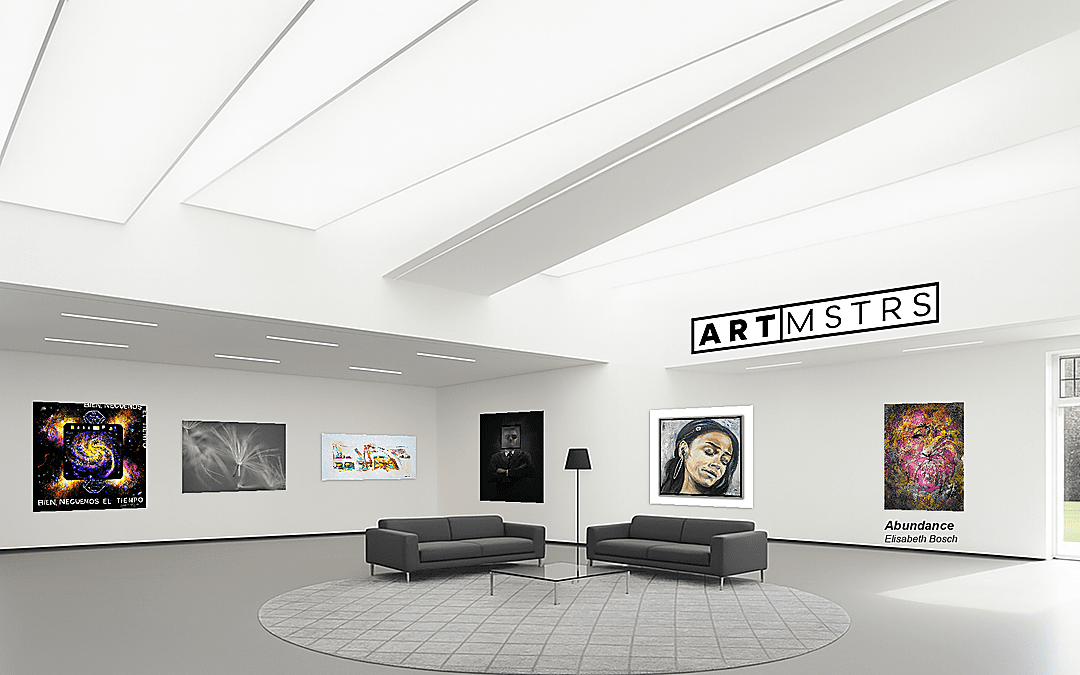
Insider Tips from Art Fair Veterans: Snagging the Best Art Before It’s Gone

Insider Tips from Art Fair Veterans: Snagging the Best Art Before It’s Gone

Insider Tips from Art Fair Veterans: Snagging the Best Art Before It’s Gone

For anyone who loves art but isn’t quite sure where to start collecting, art fairs can feel both exciting and overwhelming. These lively events are treasure troves of creativity, showcasing works from emerging talents and seasoned artists alike. Yet, with so many pieces on display, how do you find the ones that truly resonate—and make sure you don’t miss out?

Get There Early (and Stay Curious)

One secret many experienced collectors share is simple: arrive early. The first hours often bring the freshest picks before the crowd dives in. Early in the day, galleries and artists are more relaxed, giving you a perfect chance to chat and learn about the pieces.

Don’t hesitate to ask questions! Artists love to share the stories behind their work, and these conversations can reveal layers of meaning that deepen your connection.

Focus on What Speaks to You

Art collecting isn’t about following trends or rushing to snap up what everyone else wants. Instead, focus on pieces that genuinely move you. Maybe it’s a striking color palette, an unusual technique, or a theme that touches on your own experiences. Trusting your taste builds a collection that feels personal and meaningful.

Explore Beyond the Spotlight

Art fairs are often segmented into well-known galleries and more experimental sections. While it’s tempting to head straight for the familiar names, some of the best discoveries come from lesser-known artists tucked away in quieter corners. These gems might not yet have widespread recognition but can become a highlight of your collection—and a smart investment.

Pause Before You Purchase

Even if you find a piece you adore, give yourself a moment to consider: Does it fit your space? Will you enjoy living with it every day? Thinking through these practicalities helps ensure your new acquisition truly enhances your home and life.

Leverage the Power of Relationships

Veteran attendees often build genuine connections with gallery owners, curators, and artists. These relationships can unlock early access to new works or even pieces not yet exhibited. Don’t worry if you’re new—just expressing sincere interest and kindness goes a long way. Over time, you might receive invitations or insider updates that keep you one step ahead.

Use Technology to Your Advantage

Many fairs now offer digital previews or apps that highlight key works and exhibitors. Browsing these before you attend helps you plan your route and note must-sees. Some platforms also allow you to bookmark favorites, making follow-up purchases smoother.

Remember, It’s About Enjoyment

Collecting art is a journey, not a race. The best pieces often appear when you least expect them, and building a thoughtful collection takes time. Enjoy the process—each visit is an opportunity to expand your eye, meet fascinating creatives, and bring new inspiration into your life.

Ready to discover art you’ll love?

Explore curated artworks from emerging and established artists.
Discover Art on ARTMSTRS

Blue Chip vs. Emerging Art: Balancing Your Investment Portfolio

Blue Chip vs. Emerging Art: Balancing Your Investment Portfolio

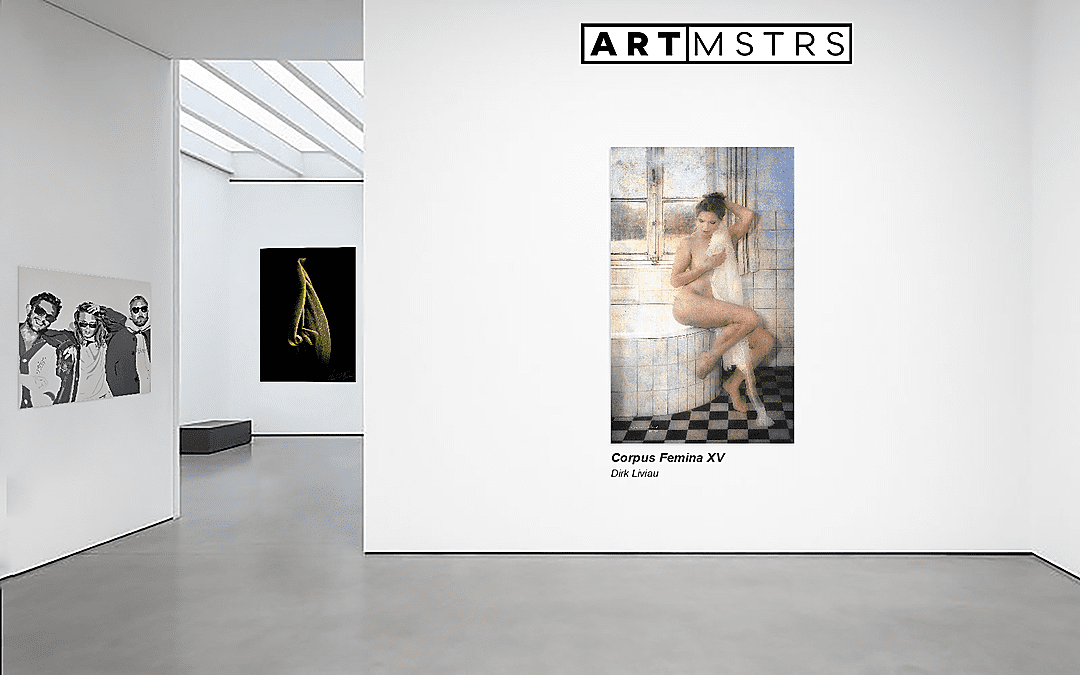
Corpus Femina XV — Dirk Liviau (ARTMSTRS Buyers)

Blue Chip vs. Emerging Art: Balancing Your Investment Portfolio

For art lovers stepping into the world of collecting, the landscape can feel both exciting and overwhelming. One question often arises: should you invest in blue chip art—works by well-established, highly sought-after artists—or take a chance on emerging talent? Each approach has its own charm and potential, and the key lies in finding a balance that aligns with your passion and goals.

Understanding Blue Chip Art

Blue chip art refers to pieces created by artists who have established reputations in the art world. These are names that have stood the test of time, often featured in major museums and commanding high auction prices. Examples include artists like Yayoi Kusama, Gerhard Richter, or Jean-Michel Basquiat. These works tend to be more stable in value and may appreciate steadily, making them a reliable cornerstone for your collection.

Investing in blue chip art offers a certain peace of mind. Because their market is well-developed, you can often find transparent sales records and expert appraisals. However, the initial cost is usually higher, which can be a hurdle for newcomers.

The Allure of Emerging Art

On the other side are emerging artists—creatives who are gaining recognition but haven’t yet reached widespread fame. Purchasing works from these artists can be more affordable and personal, allowing you to discover fresh voices and unique perspectives. Imagine acquiring a piece by an up-and-coming painter whose style resonates with you, before their work gains broader acclaim.

Emerging art adds vibrancy and diversity to your collection. While it carries more risk—values can fluctuate or take time to grow—it also holds exciting potential for significant appreciation. Plus, supporting emerging artists feels rewarding, knowing you’re nurturing the next generation of creativity.

Finding Your Balance

The smartest collectors often blend both approaches. Blue chip pieces provide stability, anchoring your collection with recognized artists whose works are in demand. Meanwhile, emerging artists offer opportunities for discovery and growth, keeping your collection dynamic and aligned with your personal tastes.

Consider your budget, appetite for risk, and what you want from your art. If affordability is a concern, start by exploring emerging artists through platforms like ARTMSTRS, where you can find carefully curated selections. As you build confidence, selectively adding blue chip works can diversify and strengthen your portfolio.

Practical Tips for Building Your Collection

  • Do your research: Learn about the history and background of artists and their market trends. Reading gallery notes, artist interviews, and auction results can be enlightening.
  • Trust your instincts: Art is deeply personal. If a piece moves you, that connection matters just as much as its investment potential.
  • Seek expert advice: Platforms like ARTMSTRS offer guidance and curated selections to ensure quality and authenticity.
  • Think long term: Art collecting is not only about immediate returns but about enjoyment and cultural value over time.
  • Attend exhibitions and fairs: Meeting artists and seeing works in person can enrich your understanding and appreciation.

Whether you lean toward blue chip masterpieces, emerging gems, or a thoughtful mix of both, your collection should ultimately reflect your passion. Approaching art investment with knowledge and care will let you enjoy each acquisition—not just as a financial asset, but as a source of inspiration and joy.

Ready to discover art you’ll love?

Explore curated artworks from emerging and established artists.

Discover Art on ARTMSTRS

Data-Driven Collecting: Using Analytics to Predict Art’s Next Big Thing

Data-Driven Collecting: Using Analytics to Predict Art’s Next Big Thing

Iris in my garden — Helen Karlsen (ARTMSTRS Buyers)

Data-Driven Collecting: Using Analytics to Predict Art’s Next Big Thing

As an art lover or a new collector, the thrill of discovering the next big artist can be both exciting and daunting. Traditionally, intuition, relationships, and a keen eye have guided collectors. Today, however, data and analytics offer fresh tools to help you make more informed decisions without losing the joy of exploration.

What Is Data-Driven Collecting?

At its core, data-driven collecting means using information—like auction results, social media trends, and gallery sales—to understand which artworks or artists are gaining momentum. This doesn’t replace your personal taste; rather, it enhances your confidence by revealing patterns that might otherwise go unnoticed.

How Can Analytics Help?

Imagine tracking an emerging artist whose Instagram followers are steadily increasing, their works are frequently recommended by curators, and their auctions are seeing escalating bids. These are signals that might indicate growing interest and potential long-term value.

Some platforms and tools aggregate data on sales histories, exhibition records, and collector engagement—helping identify artists who are on an upward trajectory before they become household names.

Simple Steps for Starting with Analytics

  • Use Online Marketplaces and Platforms: Websites like ARTMSTRS curate collections and provide insights on emerging artists. Explore trending artworks and read the stories behind them.
  • Observe Social Engagement: Follow artists on social media and note the consistency and quality of engagement. Are people commenting thoughtfully? Are collectors and galleries showing interest?
  • Review Auction Results: Check publicly available auction databases to see if an artist’s work has gained higher values over time. Increases can signal rising demand.

Balancing Data with Your Passion

Data can guide you to promising artists, but your personal connection to the artwork should remain central. Remember, collecting art is as much about emotional resonance as it is about potential investment. Use analytics to deepen your understanding, not to dictate choices.

For example, if an artist’s work resonates with you on a personal level and data shows increasing interest, you may feel more confident in your acquisition. Conversely, if an artist is trending statistically but doesn’t spark your enthusiasm, it’s perfectly fine to wait or explore other options.

Looking Ahead

The intersection of art and data is evolving rapidly, creating opportunities for collectors to discover new voices early. By combining your instincts with insights from data, you cultivate a balanced, informed approach to building a meaningful collection.

Whether you’re just starting or deepening your journey, let data be a helpful companion, not a substitute for your unique taste and appreciation.

Ready to discover art you’ll love?

Explore curated artworks from emerging and established artists.
Discover Art on ARTMSTRS

Common Mistakes New Art Collectors Should Avoid

Common Mistakes New Art Collectors Should Avoid

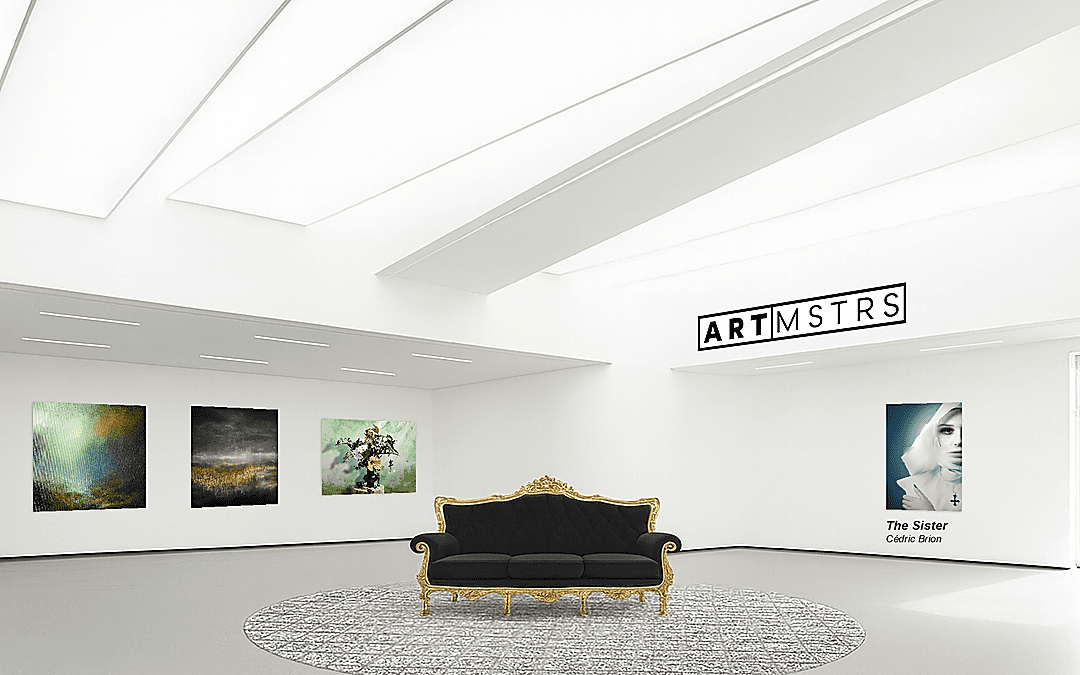
The Sister — Cédric Brion (ARTMSTRS Buyers)

Common Mistakes New Art Collectors Should Avoid

Starting an art collection is an exciting journey, filled with discovery and personal expression. Yet, if you’re new to collecting, it’s easy to feel overwhelmed or uncertain. Avoiding some common missteps can help you build a collection that feels rewarding and meaningful.

1. Rushing into a Purchase

One of the most frequent mistakes is buying art impulsively, driven by emotion or excitement. While passion is the heart of collecting, it’s wise to pause and reflect. Take time to research the artist and the piece. Visit galleries, read about the artwork’s context, and think about how it fits with what you truly love.

For example, if you find a striking painting online, don’t hesitate to ask the seller questions about the artist’s background, the work’s provenance, or the medium used. This helps ensure the piece resonates with you beyond the initial impression.

2. Neglecting Provenance and Authenticity

Authenticity is crucial—owning art you value means knowing its story and origin. A common pitfall is overlooking provenance details or certificates of authenticity. These documents verify that the work is genuine and trace its history, adding to both emotional and financial value.

When purchasing through an online platform like ARTMSTRS or a gallery, don’t hesitate to ask for this information upfront. Legitimate sellers are usually transparent and happy to share these details.

3. Forgetting to Consider Your Space

Art isn’t just about the piece itself—it’s also about how it lives in your space. New collectors sometimes select works without visualizing how they will fit in a specific room. Before buying, think about scale, lighting, and wall color. Will the artwork enhance your space or feel out of place?

Try imagining the piece on your wall or use an app to visualize it digitally. This practical step can save frustration and ensure your collection brings daily joy.

4. Overlooking Artist Potential

It’s tempting to focus only on well-known names. While established artists often hold their value, emerging artists offer exciting opportunities for discovery and connection. Consider exploring works by talented up-and-coming artists who speak to your tastes.

This approach not only diversifies your collection but supports creative careers. ARTMSTRS specializes in showcasing both emerging and established artists, helping you find unique pieces with stories you can engage with.

5. Ignoring Your Own Taste

Finally, remember collecting should always be personal. Listening too much to trends, market advice, or others’ opinions can detract from what genuinely moves you. Choose art that speaks to your heart—whether abstract, figurative, vibrant, or subtle.

Collecting is a long-term journey. Your tastes may evolve, and that’s natural. What matters most is that your collection reflects who you are.

By approaching art collecting with thoughtfulness and openness, you’ll build a collection full of meaning and enjoyment. Trust your instincts, ask questions, and take your time—it’s all part of the rewarding experience of owning art.

Ready to discover art you’ll love?

Explore curated artworks from emerging and established artists.
Discover Art on ARTMSTRS

The New Impressionists: Contemporary Artists Reviving Classic Techniques

The New Impressionists: Contemporary Artists Reviving Classic Techniques

The New Impressionists: Contemporary Artists Reviving Classic Techniques

If you’ve ever felt drawn to the gentle brushstrokes and vibrant light of Impressionist painters like Monet or Renoir, you’re not alone. Today, a fresh wave of contemporary artists is revisiting these classic techniques, bringing Impressionism into the modern art scene with a renewed energy and perspective. Whether you’re a seasoned collector or just beginning your art journey, understanding this movement can enrich your appreciation and guide your collecting choices.

Impressionism Meets Today’s World

Impressionism emerged in the late 19th century, characterized by loose brushwork, vivid colors, and a focus on capturing light and atmosphere. Modern-day artists inspired by this style don’t just replicate the past; they adapt these methods to convey contemporary subjects and emotions. This blending of tradition and innovation offers collectors a unique chance to own works that feel both timeless and fresh.

For example, consider contemporary painters who use thick, textured strokes reminiscent of thick oil paint layers, but apply them to urban scenes or natural landscapes in a way that feels current and personal. These artists often experiment with color palettes and composition, inviting a new kind of dialogue between viewer and painting.

Why This Matters for Collectors

Collecting art can sometimes feel daunting, especially when confronted with complex art movements or jargon. With “New Impressionists,” you have a relatable entry point—techniques and aesthetics rooted in a beloved tradition, yet refreshed for today’s world.

Buying art that blends the familiar with the new offers several benefits:

  • Visual appeal: The lively textures and bright colors can enliven any space.
  • Emotional connection: The impressionist approach often evokes mood and memory, creating a personal resonance.
  • Investment potential: Emerging artists reviving classic styles may gain recognition, adding value to your acquisitions.

How to Explore and Collect New Impressionism

Here are some gentle steps to guide you:

Start with research: Explore online platforms such as ARTMSTRS, where you’ll find curated selections of artists known for impressionist-inspired work. This helps you understand different interpretations without feeling overwhelmed.

Look for authenticity: When viewing artworks, notice the brushwork and how the artist handles light and color. Original, textured strokes often signal a genuine engagement with impressionist techniques.

Connect with artists: Many contemporary artists are eager to share their process and inspirations. Engaging with them through social media or artist talks can deepen your connection to their work.

Consider your space: Impressionist-inspired paintings often brighten rooms and add movement. Think about where the artwork will live and how it complements your existing décor.

Remember, collecting art is ultimately about what moves you. Trust your instincts and allow yourself to enjoy the journey of discovering the new voices that honor and renew the legacy of Impressionism.

Ready to discover art you’ll love?

Explore curated artworks from emerging and established artists.

Discover Art on ARTMSTRS
The Art Fair Calendar: Must-Visit Fairs Each Season

The Art Fair Calendar: Must-Visit Fairs Each Season

THE WOODS SING FOREVER — Marja Ormeling (ARTMSTRS Buyers)

The Art Fair Calendar: Must-Visit Fairs Each Season

If you’re passionate about art but new to collecting, art fairs are a wonderful way to experience creativity up close. These vibrant events bring together galleries, artists, and collectors in one space, offering a unique chance to discover new favorites and gain confidence in your choices. Whether you prefer contemporary pieces, emerging talents, or established names, the art fair calendar gives you a roadmap to some of the best gatherings throughout the year.

Spring: Fresh Discoveries and Emerging Talent

Spring fairs are a perfect time to explore fresh ideas and youthful perspectives. Events like the Untitled Art Fair in Miami showcase cutting-edge contemporary works alongside experimental art, attracting galleries and artists who are often on the brink of wider recognition.

When attending, consider asking gallery staff about an artist’s background and creative process. This builds context around a piece and can deepen your personal connection. Spring fairs are also less crowded, making it easier to take your time.

Summer: International Highlights and Big Names

Summer art fairs often feature renowned galleries and a broader international presence. The Frieze Art Fair in London, for instance, offers a rich mix of contemporary art alongside talks and special exhibitions. Visiting during this time can expose you to a wide spectrum—from bold new mediums to classic styles reinterpreted.

Tip: Use summer fairs to start framing your style. Watch which pieces catch your eye repeatedly, and don’t hesitate to take photos or notes to revisit later.

Autumn: Curated Excellence and Emerging Markets

As the year winds down, fairs like Art Basel in Basel, Switzerland present a thoughtfully curated experience. High-quality pieces meet rigorous standards here, making it a great place for buyers who value investment potential and fine provenance.

At autumn fairs, you’ll find a fertile ground for building relationships with galleries and artists. Conversations here can transform casual interest into confident collecting. If you’re considering purchasing, don’t hesitate to discuss payment options or commissions—it’s perfectly normal.

Winter: Intimate Events and Local Gems

Winter fairs tend to be smaller and more intimate, focusing on local or regional artists. These are often less hectic and perfect for thoughtful browsing without the pressure of big crowds. Events like The Other Art Fair provide welcoming spaces where you can engage directly with artists and understand their stories.

For new collectors, winter fairs are a friendly way to start building your collection with approachable price points and personal connections. Remember, collecting is as much about the journey as the purchase.

Tips for Visiting Art Fairs

  • Go with an open mind: Let yourself be surprised by styles and mediums you might not encounter otherwise.
  • Take your time: Don’t rush. Walk the fair more than once if you can to absorb the atmosphere and revisit compelling pieces.
  • Ask questions: Gallery staff are there to help. Inquire about artists, editions, or framing options—they want you to feel confident.
  • Set a budget: Having a clear idea of what you’re comfortable spending keeps the experience joyful, not stressful.

Art fairs are not just marketplaces; they are vibrant communities celebrating creativity. Each season offers something special, so consider planning your visits according to the calendar and your interests. With a little preparation, you’ll find yourself enjoying art in new and rewarding ways.

Ready to discover art you’ll love?

Explore curated artworks from emerging and established artists.
Discover Art on ARTMSTRS

Art for Kids’ Rooms: Inspiring the Young with Creative Decor

Art for Kids’ Rooms: Inspiring the Young with Creative Decor

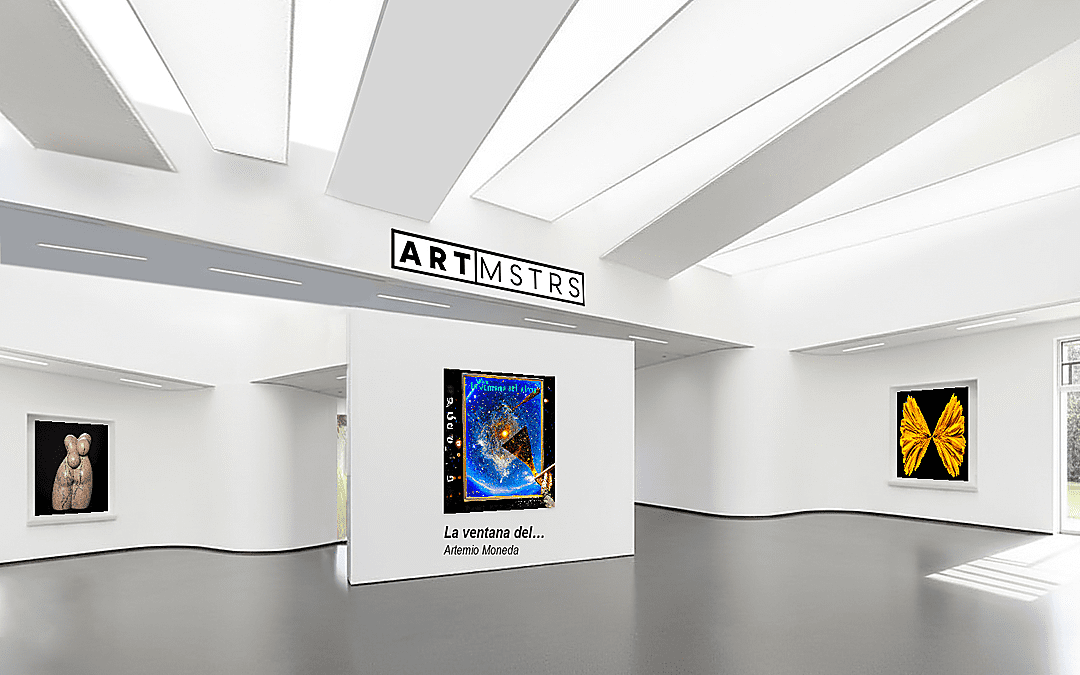
La ventana del Alma — Artemio Moneda (ARTMSTRS Buyers)

 Art for Kids’ Rooms: Inspiring the Young with Creative Decor

Choosing art for children’s rooms goes beyond decoration—it’s about creating an environment that sparks imagination, curiosity, and joy. Whether you’re a seasoned art lover or new to collecting, selecting the right pieces for your child’s space can be both a rewarding and approachable experience.

Why Art Matters in Kids’ Rooms

Art can play a subtle but powerful role in a child’s development. Bright colors and playful shapes can stimulate creativity, while thematic artwork can introduce stories, cultures, or concepts that broaden young minds. Beyond aesthetics, art in kids’ rooms sets an inviting tone—making their space feel personal, comforting, and inspiring.

Choosing Art with Intention

When selecting artwork for a child’s room, aim for pieces that resonate with their personality and interests. This could mean whimsical illustrations, abstract shapes, or even prints that celebrate animals, nature, or fantasy worlds. It’s important to consider durability and safety, so opt for framed pieces with shatterproof glass or canvas prints that are easier to handle.

Think about incorporating a mix of styles—for example, a colorful, energetic painting paired with softer, calming prints. This balance can help create a dynamic yet restful atmosphere, adaptable as your child grows.

Practical Tips for Displaying Art

  • Eye-Level Approach: Hang artwork at your child’s eye level to make the art feel more accessible and engaging. This encourages interaction and curiosity.
  • Gallery Wall: Create a gallery wall with multiple smaller pieces. This allows variety and flexibility—swap out images as tastes evolve without repainting or redecorating.
  • Interactive Elements: Consider framed chalkboards or magnetic display boards alongside traditional art. This mix invites creative participation and personal expression.
  • Rotation: Rotate artworks seasonally or as your child’s interests change. This keeps the room feeling fresh and personalized.

Finding the Perfect Art

If you’re looking for unique pieces that inspire, consider exploring curated art platforms that showcase works by emerging and established artists. Platforms like ARTMSTRS offer a thoughtful selection of original art that can elevate a child’s room while also supporting artists. Many artists create charming prints ideal for children’s spaces—playful colors, gentle themes, and approachable styles that foster creativity without overwhelming the room.

Remember, there’s no need to rush or overthink. Start with one or two pieces that catch your eye and feel right for your child’s personality. Over time, their room will develop an artful story all its own.

Art as a Gift and Conversation Starter

Art can also serve as a wonderful gift for birthdays or special occasions, especially pieces that honor a child’s favorite animals, fairy tales, or hobbies. These gifts create lasting memories and encourage meaningful conversations about creativity and self-expression.

Ultimately, the best art for kids’ rooms is the kind that makes the space feel joyful, inviting, and uniquely theirs—offering inspiration for countless days of play, learning, and growth.

Ready to discover art you’ll love?

Explore curated artworks from emerging and established artists.
Discover Art on ARTMSTRS

Framing on a Budget: Cost-Effective Ways to Make Your Art Shine

Framing on a Budget: Cost-Effective Ways to Make Your Art Shine

Framing on a Budget: Cost-Effective Ways to Make Your Art Shine

Your art collection deserves frames that enhance its beauty without overwhelming your budget. Whether you’re a new collector or simply looking to refresh certain pieces, there are plenty of smart strategies to frame your artwork affordably, while still giving it a polished, gallery-ready appearance.

Choose Simple Frames with Impact

Minimalist frames often cost less and have a timeless appeal. Look for sleek metal or wood frames in standard sizes—these are widely available and less expensive than custom framing. For example, an 11×14 or 16×20 frame is common for prints and paintings, making it easy to find cost-effective options online or at local retailers.

Matting Is Your Best Friend

A mat not only protects your artwork from touching the glass but also adds visual breathing space, making smaller pieces appear larger and more refined. If custom mats are pricier than you’d like, consider buying a pre-cut mat board that fits within a standard frame. You can even get creative by choosing colored mats that complement the artwork subtly, providing an inexpensive style upgrade.

Explore Alternative Framing Solutions

Think beyond traditional glass frames. Acrylic glazing can be a lighter, less costly alternative to glass, especially for larger pieces. Another option is using clip frames or floating frames, which provide a modern look and reduce framing costs. Even simple binder clips or stylish washi tape can offer a temporary, budget-friendly way to display art in casual spaces.

DIY Framing: Hands-On and Personal

Embracing a bit of DIY can save considerable money and make your framing experience uniquely yours. Basic framing kits, often sold with all necessary hardware, allow you to assemble your own frame with ease. For those who enjoy crafts, repainting or distressing a thrifted frame can transform a find into an artful presentation.

Take Advantage of Sales and Discounts

Keep an eye on seasonal sales at craft stores or online marketplaces, where you can often score high-quality frames and mats at a fraction of the usual price. Signing up for store newsletters or loyalty programs can sometimes give you access to exclusive discounts that make framing affordable without sacrificing quality.

Think Long-Term: Frame Once, Display Many

Investing in a few versatile frames that accommodate different artworks over time can be a smart approach. By swapping out prints or paintings as your collection grows, you maximize your initial spending and keep your display fresh without continuous framing expenses.

Ultimately, framing is about celebrating your art in a way that feels right to you. With thoughtful choices and a little resourcefulness, you can create stunning presentations that elevate your collection—and your space—without stress or overspending.

Ready to discover art you’ll love?

Explore curated artworks from emerging and established artists.

Discover Art on ARTMSTRS

The Secondary Market Boom: Increased Resale of Contemporary Works

The Secondary Market Boom: Increased Resale of Contemporary Works

The Secondary Market Boom: Increased Resale of Contemporary Works

For anyone passionate about art, whether you’re just starting out or growing your collection, recent shifts in the art world offer exciting opportunities. One area gaining real momentum is the secondary market—the resale of contemporary artworks. Understanding this boom can build your confidence and open new doors to acquiring meaningful pieces.

What is the Secondary Market?

The secondary market refers to artworks being resold after their initial purchase, often through galleries, auctions, or online platforms. While primary sales focus on buying directly from artists or their representatives, the secondary market provides a vibrant space where artworks can change hands among collectors. With contemporary works gaining attention here, it reflects both the rising popularity and investment potential of current art.

Why is the Secondary Market Growing?

Several factors contribute to this surge:

  • Increased visibility: Platforms like ARTMSTRS spotlight both emerging and established artists, helping collectors find and resell works more easily.
  • Younger collectors entering the market: As more people embrace contemporary art, the demand to acquire and resell pieces grows.
  • Greater confidence in contemporary art’s value: Collectors are recognizing that recent works can appreciate over time, making resale an appealing option.

What Does This Mean for You?

If you’re interested in collecting contemporary art, the boom in the secondary market brings practical benefits:

  • More Choices: You have access to a wider range of artists and artworks, from buzzworthy newcomers to already established names.
  • Potential Value Growth: Some contemporary pieces may increase in value, offering the possibility to resell later or simply enjoy a work that’s recognized in the art world.
  • Informed Decision-Making: Seeing how works perform on the secondary market can guide your buying choices with a clearer sense of demand and pricing.

Tips for Navigating the Secondary Market

Start with research. Follow artists you admire and observe how their works are priced and resold. Observe auction results or resale listings on reliable platforms. Remember, the secondary market is not just about profits; it’s about appreciating meaningful art in new homes.

Work with trusted sources. Whether a gallery or a curated online space like ARTMSTRS, choosing reputable sellers ensures authenticity and transparency.

Consider the condition and provenance of the artwork. Resale prices often reflect not only the artist’s reputation but also the quality and history of the piece.

Finally, trust your instincts and personal taste. The secondary market’s growth doesn’t mean you have to follow trends. Collect what resonates with you and makes your space uniquely yours.

The secondary market is an evolving, inviting space for collectors who want both to enjoy and thoughtfully invest in contemporary art. By approaching it with curiosity and care, you can discover artworks that enrich your life and stand the test of time.

Ready to discover art you’ll love?

Explore curated artworks from emerging and established artists.

Discover Art on ARTMSTRS

How to Safely Store Frames and Art Not Currently on Display

How to Safely Store Frames and Art Not Currently on Display

How to Safely Store Frames and Art Not Currently on Display

If you’re passionate about art, you understand the joy of having a collection that reflects your taste and personality. But even the most carefully curated art sometimes needs a break from the spotlight. Whether you’re rotating pieces seasonally, moving, or simply making space, knowing how to safely store your framed art is key to preserving its beauty and value.

Choose the Right Environment

Art is sensitive to its surroundings. Ideally, store your frames in a cool, dry place with stable temperature and humidity. Avoid basements prone to dampness or attics with extreme heat fluctuations. A closet inside your home or a dedicated storage room usually works well. If you must use a garage or basement, consider sealed plastic bins for additional protection from moisture.

Handling Frames with Care

Before moving frames into storage, gently remove any dust using a soft cloth or a brush designed for artwork. Handle frames by the sides to avoid putting pressure on the glass or canvas. If the art is particularly fragile or valuable, using cotton gloves can prevent oils from your hands transferring onto the surfaces.

Protect the Surfaces

Glass and canvas need extra protection. Use acid-free paper or glassine sheets to cover the front and back of framed works. This safeguards the surface from scratches, dust, and environmental pollution. If you have unframed prints or drawings, placing them between layers of acid-free paper and storing them flat will help prevent creases and damage.

Storing Frames Vertically

Where possible, store framed pieces upright and avoid stacking them horizontally. This reduces the risk of pressure damage and makes it easier to access each piece without disturbing others. You can lean frames carefully against a wall, cushioned by soft cloth or foam pads between each for added protection.

Use Quality Packing Materials

When packing art for storage, avoid common household materials like regular cardboard or newspaper that can cause damage over time. Instead, opt for acid-free tissue paper, bubble wrap designed for delicate items, and sturdy, archival-quality boxes. For larger works, custom crates or straps can provide extra security during movement and storage.

Keep an Inventory and Document Conditions

Maintaining a clear inventory of what’s in storage helps you manage your collection with confidence. Note the condition of each piece before packing it away—photographs can be particularly helpful for tracking any changes. This simple step ensures that when your art returns to display, you’re aware of its state and can address any concerns promptly.

Consider Professional Advice for Valuable Pieces

If your collection includes highly valuable or delicate artworks, consulting with a conservator or professional framer can provide tailored guidance. They may recommend specific storage solutions or climate control options that suit the artwork’s medium and condition.

Storing art safely is about respect and care. With mindful preparation and a little attention to detail, your framed treasures will stay vibrant and ready to inspire whenever you choose to display them again.

Ready to discover art you’ll love?

Explore curated artworks from emerging and established artists.

Discover Art on ARTMSTRS

Temporary Displays: Easels, Stands, and Clip Systems for Flexibility

Temporary Displays: Easels, Stands, and Clip Systems for Flexibility

Temporary Displays: Easels, Stands, and Clip Systems for Flexibility

Whether you’re just beginning your journey as an art collector or looking for smart ways to showcase your growing collection, having flexible display options can make all the difference. Temporary displays—like easels, stands, and clip systems—offer practical, stylish solutions that keep your walls fresh and your art easily accessible.

Easels: Classic and Versatile

Easels are a fantastic choice for those who want the option to move art around frequently or highlight a particular piece temporarily. Wooden or metal easels come in various sizes, suitable for everything from small prints to large canvases. They bring a casual, gallery-like feel to a room without the commitment of hanging things permanently.

For example, an adjustable tabletop easel is perfect for displaying sketches or photographs on a side table or shelf. Floor easels provide a bolder statement and work beautifully by the window or in a reading nook, allowing you to rotate art depending on mood or season.

Stands and Shelves: Display with Ease

Art stands and floating shelves combine functionality with style. Stands specifically designed for art offer a clean, minimal look, helping your pieces take center stage without fuss. They are excellent for sculptures or framed works and are often lightweight and portable.

Floating shelves provide an adaptable solution for multiple artworks, letting you layer and overlap pieces to create a dynamic display. They’re great for small collections where you might want to mix photographs, prints, and 3D objects together. Plus, changing your display is as simple as swapping and rearranging pieces—no nails required.

Clip Systems: Simple and Contemporary

For a modern, streamlined way to display your art, clip systems are gaining popularity. These consist of wires, rods, or strips attached to walls or ceilings, with clips that hold your prints or postcards. This setup is especially effective if you love changing your display often or have limited wall space.

Clip systems encourage creativity. Try mixing different sizes and orientations, or combine art with notes and postcards for a personal touch. Materials range from sleek metals to natural wood, allowing you to pick a style that complements your space without overwhelming it.

Practical Tips for Using Temporary Displays

  • Consider lighting: Temporary displays work best in well-lit areas where your art can truly shine. Natural light is ideal, but an adjustable lamp can make a difference.
  • Choose the right size: Make sure your easel or stand complements the scale of your artwork to prevent it from looking lost or overpowered.
  • Think about safety: Secure floor easels in busy areas to avoid accidental knocks, especially if you have pets or children.
  • Focus on layering: Shelves and clip systems allow you to layer pieces and create interesting focal points—don’t hesitate to experiment until you find a look that feels uniquely yours.

Temporary display options can enhance your experience as an art lover by encouraging you to interact with your collection in fresh ways. They offer flexibility, style, and ease, helping you nurture a living collection that evolves alongside your tastes and spaces.

Ready to discover art you’ll love?

Explore curated artworks from emerging and established artists.
Discover Art on ARTMSTRS

Eco-Friendly Art Buying: How to Build a Sustainable Art Collection

Eco-Friendly Art Buying: How to Build a Sustainable Art Collection

Eco-Friendly Art Buying: How to Build a Sustainable Art Collection

For art lovers and new collectors, the excitement of building a collection can be matched by the desire to do so responsibly. Embracing eco-friendly art buying means making thoughtful choices that support artists, reduce environmental impact, and foster a more sustainable art community. You don’t need to be an expert to start — simple, intentional steps can lead to a rewarding, guilt-free collection.

Why Choose Sustainable Art?

Art is a powerful medium, both culturally and environmentally. Traditional art materials and shipping practices can sometimes have a substantial carbon footprint. Choosing eco-friendly pieces helps lessen this impact while encouraging artists who prioritize sustainability in their creative process. Plus, sustainable art often carries a deeper story, connecting you to the artist’s values and the environment.

Look for Artists Who Use Recycled or Natural Materials

Many artists now incorporate recycled, upcycled, or natural materials like reclaimed wood, organic textiles, or non-toxic paints. These choices reduce waste and avoid harmful chemicals. For example, some painters use plant-based inks or watercolors derived from natural pigments. Sculpture artists might craft works from scrap metal or biodegradable materials. When browsing, check artist descriptions or ask about their material choices — this insight helps you select pieces aligned with eco-conscious values.

Prioritize Local and Emerging Talent

Supporting local or regional artists minimizes carbon emissions tied to shipping and packaging. Emerging artists often experiment with sustainable methods and innovative materials, making your collection both unique and environmentally responsible. Buying directly or through platforms that highlight local creators also strengthens your community and fosters creativity at home.

Consider Quality Over Quantity

Sustainable collecting isn’t about rushing to acquire many pieces but about valuing fewer that resonate and endure. Investing in thoughtfully made artworks means they’re more likely to last — reducing the need to replace or discard pieces frequently. Over time, a curated collection with meaningful stories will offer more joy and less waste.

Choose Eco-Friendly Framing and Display Options

The way you frame and display your art contributes to its sustainability footprint. Look for frames made from reclaimed wood or sustainably sourced materials, and avoid plastic-heavy options. Using LED lighting for display reduces energy use and protects the artwork better than traditional bulbs. Simple, minimalist displays can also reduce material consumption.

Embrace Digital Art and Prints Wisely

Digital artworks provide a low-impact alternative to traditional physical pieces. When you do choose prints, opting for limited editions on recycled paper or using eco-friendly inks can be a responsible choice. Platforms that verify sustainable print practices give you confidence in your purchase.

Connect and Learn

The more you engage with artists and art communities about sustainability, the more informed your choices become. Many galleries and online platforms share stories about the environmental practices behind their collections. Don’t hesitate to reach out with questions or attend virtual events focused on sustainable art.

Building an eco-friendly art collection is less about perfection and more about intention. By choosing thoughtfully, supporting artists who care, and considering the life cycle of your art, you create a beautiful, sustainable collection that reflects both your passion and values.

Ready to discover art you’ll love?

Explore curated artworks from emerging and established artists.

Discover Art on ARTMSTRS