


Color vs Neutral: Which Covers Get More Engagement?
As a visual artist, whether you are just starting out or have an established practice, one of your key challenges is getting your work noticed by collectors and galleries. You may wonder what kind of cover image—on your portfolio, social profiles, or online galleries—draws more attention and engagement. Is it vibrant color that catches the eye or a neutral, understated palette that invites quiet appreciation? The answer is seldom straightforward, but understanding the dynamics behind these choices can help you present your art more effectively and grow your visibility in meaningful ways.
The Role of Visual First Impressions
First impressions matter. When someone browses an art platform, social feed, or email newsletter, the cover image or thumbnail is often the very first touchpoint. It sets expectations and can influence whether the viewer clicks through to see more or quickly scrolls past.
Color images tend to stand out immediately due to their brightness and contrast; human eyes are naturally drawn to vibrant hues. Conversely, neutral palettes—grays, beiges, soft blacks, and whites—offer a different kind of appeal: subtlety, calm, and sophistication. Both approaches have strategic uses depending on your target audience and the context in which the work is viewed.
When Color Covers Work Best
- Attracting Attention in Crowded Spaces: Bright, bold color can cut through visual noise in social media feeds or crowded online galleries.
- Showcasing the Art’s Unique Palette: If your work is defined by strong color choices, leading with color aligns the cover with your artistic tone.
- Emphasizing Energy and Emotion: Color evokes emotional responses quickly, grabbing viewers who resonate strongly with mood and atmosphere.
When Neutral Covers Work Better
- Conveying Elegance and Professionalism: Neutrals often signal sophistication and can appeal to serious collectors who appreciate subtlety.
- Allowing the Artwork to Speak for Itself: A neutral cover can serve as a quiet backdrop, encouraging closer inspection of detail and composition.
- Creating Consistency: Neutrals are easier to standardize across a series of works or a portfolio, helping build a cohesive brand identity.
How to Choose Your Cover Image Strategically
Rather than defaulting to either color or neutral, consider these factors:
- Your Artistic Style: If your signature style revolves around vivid color, that is your strength and it should be highlighted. For minimalist or monochrome artists, neutral covers align naturally.
- Your Audience: Younger collectors on social media may respond better to energetic color, while established collectors on curated platforms might prefer restrained presentation.
- Platform Context: Different art platforms and marketplaces have varying levels of visual clutter. Test which cover types perform best where you’re active.
- Consistency and Cohesion: A unified visual language across covers can build recognition and trust over time, so pick an approach that fits your overall brand.
Quick Audit: Evaluate Your Current Covers
Take this mini checklist to review your existing portfolio and online presence:
- Are your cover images consistent in style, either color or neutral?
- Do they reflect the core mood and message of your work?
- Have you tracked engagement on these covers—clicks, likes, inquiries?
- Do your covers look professional and high quality on various devices?
- Have you considered feedback from trusted peers or collectors?
If your answers reveal gaps—such as inconsistent covers or poor engagement—it’s worth reconsidering your approach. Small iterative changes can have a measurable impact on visibility.
Practical Tips for Optimal Cover Selection
- Test and Track: Don’t guess—use analytics tools on social media or art platforms to monitor which covers attract more clicks and saves.
- Use High-Quality Images: Pixelated or poorly lit covers detract from your professionalism regardless of color choice.
- Balance Pop with Subtlety: Consider covers that combine a neutral background with a spot of color to draw the eye without overwhelming.
- Brand with Intention: Think of your covers as part of your artist identity; curators and collectors notice cohesion over time.
- Refresh Seasonally: Update covers periodically to reflect new work or evolving style, keeping your profile dynamic and interesting.
Leveraging Platforms for Professional Visibility
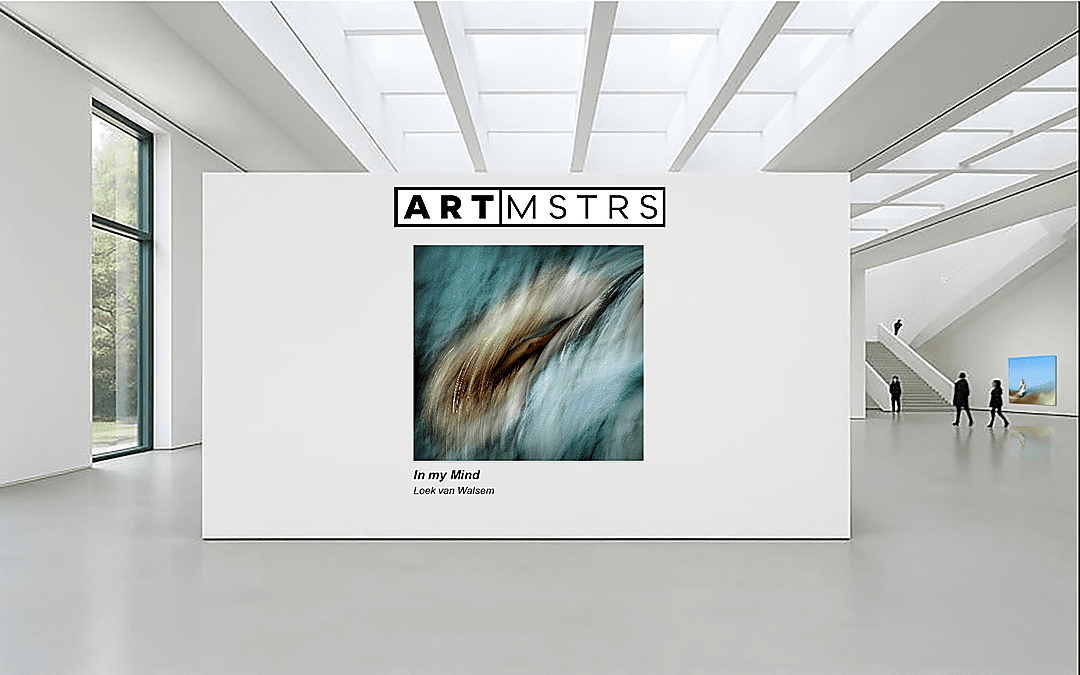
Beyond choosing the right covers, gaining visibility relies on presenting your work in trusted, curated spaces. Platforms like ARTMSTRS provide professional tools and exposure tailored to artists aiming to reach serious collectors, without resorting to gimmicks or aggressive marketing. Such platforms often emphasize quality, consistency, and long-term growth—values that align well with thoughtful cover choices.
Integrating your cover strategy with a professional platform can elevate the perception of your work and facilitate meaningful connections. Make sure to present covers in the highest resolution supported and keep your artist statement and portfolio coherent with the visual message your covers convey.
Final Thoughts
The decision between color and neutral covers is less a matter of “which is better” and more about what suits your artwork, your audience, and your career goals. Be deliberate and data-informed. Consider testing different cover approaches to find what resonates best, then commit to consistent, high-quality presentation. Your cover images are not just thumbnails; they are ambassadors of your artistic identity and a critical step in building professional engagement.
Ready to grow your art career?
Discover how ARTMSTRS supports artists who focus on professional visibility and long-term growth.